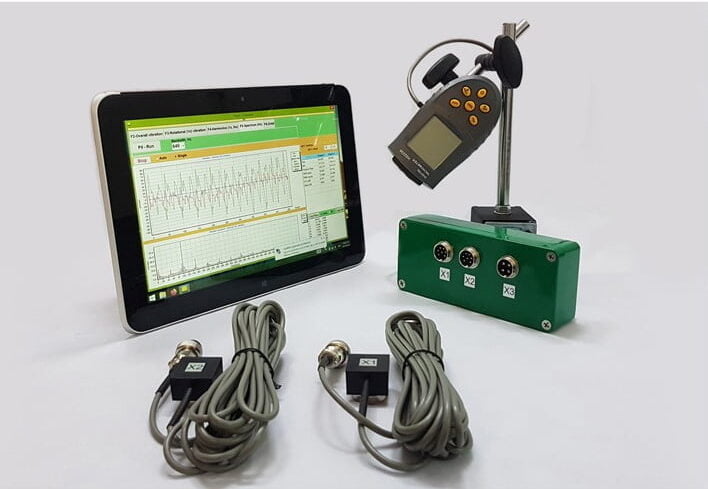
pump balancing
Pump balancing is an essential maintenance practice aimed at ensuring the efficient and reliable operation of various hydraulic systems. Pumps play an integral role in numerous applications, from residential plumbing to large industrial operations, facilitating the movement of liquids and gases. However, if a pump is not balanced correctly, it can lead to a variety of problems, including increased vibration, excessive noise, and premature component wear, thus impacting overall performance. Understanding pump imbalance, its causes, consequences, and solutions is crucial for enhancing operational longevity and efficiency.
At its core, pump imbalance refers to the condition where the mass distribution of rotating components, such as impellers and shafts, deviates from what is ideal. This uneven distribution results in varying centrifugal forces during operation, which in turn generates vibrations. Several factors contribute to this imbalance. Manufacturing inaccuracies, such as slight deviations in part geometry, play a significant role. Additionally, wear and tear associated with prolonged use can alter the mass of the rotating elements. Even incorrect assembly during installation or repair can introduce imbalances, resulting in operational disturbances.
The consequences of pump imbalance can be severe. Increased vibration and noise not only disrupt operations but can lead to physical damage to the pump and adjoining systems, including piping. Bearings and seals experience accelerated wear due to the heightened load from vibration, which can result in costly failures. Operational efficiency is negatively impacted as imbalances may cause pumps to draw more energy than necessary, compounding operational expenses. In severe instances, an unbalanced pump could lead to catastrophic failures such as shaft breakage or impeller destruction, posing serious safety risks.
The solution to pump imbalance typically involves a process known as pump balancing, which seeks to redistribute the mass effectively, thereby minimizing vibrations and enhancing performance. Balancing can be accomplished by either adding or removing corrective weights on rotating components, particularly the impeller or shaft. By achieving balance, the pump’s operational efficiency and lifespan are significantly improved. Importantly, this can be done either at dedicated workshops equipped with balancing machines or, more conveniently, on-site using portable devices such as the Balanset-1A.
Utilizing portable balancing equipment offers several notable advantages. There is minimal disruption to operations, as equipment does not need to be disassembled for maintenance. This approach saves both time and costs while allowing technicians to address imbalance at the initial signs of vibration swiftly. The Balanset-1A, for instance, enables high accuracy in on-site balancing, proving to be an invaluable tool for many industries.
The process of balancing with the Balanset-1A follows a systematic methodology: To begin with, vibration sensors are attached to the pump housing, aimed perpendicularly to the shaft’s rotation axis. A reflective marker is affixed to the pump’s shaft to assist in accurate measurements. After connecting the sensors to the Balanset-1A device and launching the corresponding software, an initial measurement of vibration is taken. This prepares the technician to address any discrepancies accurately.
Subsequently, a calibration weight is installed randomly on the impeller, which serves as a test weight. After restarting the pump, any changes in vibration or phase are analyzed. By comparing these measurements, the software can recommend the necessary corrective weight and installation location. The next step involves applying this corrective weight to the impeller, using various attachment methods such as welding or screws. Finally, follow-up measurements are taken to ensure that the pump operates within acceptable vibration levels, ensuring the success of the balancing procedure.
One of the key features of the Balanset-1A is its user-friendliness, catering to both experienced technicians and those new to vibration analysis. Its compactness allows it to be easily transported to job sites, which is crucial for on-the-go applications. The device not only serves the purpose of balancing but also allows for thorough vibration analysis and diagnostics, providing a multifunctional approach to maintenance. Given its effectiveness and affordability, the Balanset-1A offers excellent value for various users, from small business operators to large industrial facilities.
In selecting balancing tools, it is essential to recognize the broader benefits they offer. Regular balancing minimizes maintenance and repair costs, as balanced pumps experience less wear and tear. This process subsequently leads to increased efficiency, driving down operational costs and enhancing system performance. Furthermore, a well-balanced pump contributes to a safer and more comfortable working environment for personnel, reducing the associated risks of high noise and vibration levels. Accordingly, the time and cost savings associated with on-site balancing cannot be overlooked, making it a preferred choice for many maintenance professionals.
Continuing to emphasize the necessity of routine pump balancing, it is advisable to check and balance pumps particularly following intense usage, repairs, or any noticeable signs of imbalance. Such preventive measures extend the life of the equipment and avert costly and unexpected breakdowns. By ensuring accurate sensor installation, precise measurements of weights, and adherence to safety practices, users can enhance the performance and reliability of their hydraulic systems significantly.
In conclusion, the practice of pump balancing plays an indispensable role in ensuring effective and robust operation across various systems. With the implementation of advanced tools like the Balanset-1A, the process becomes accessible and efficient, ultimately contributing to improved performance, extended lifespans of equipment, and enhanced safety. Regular monitoring and maintenance practices, including balancing, should be regarded as essential investments in equipment health and operational continuity, safeguarding against the risks associated with pump imbalance.
Instagram: https://www.instagram.com/vibromera_ou/
Youtube : https://www.youtube.com/@vibromera
Oct 31, 2024