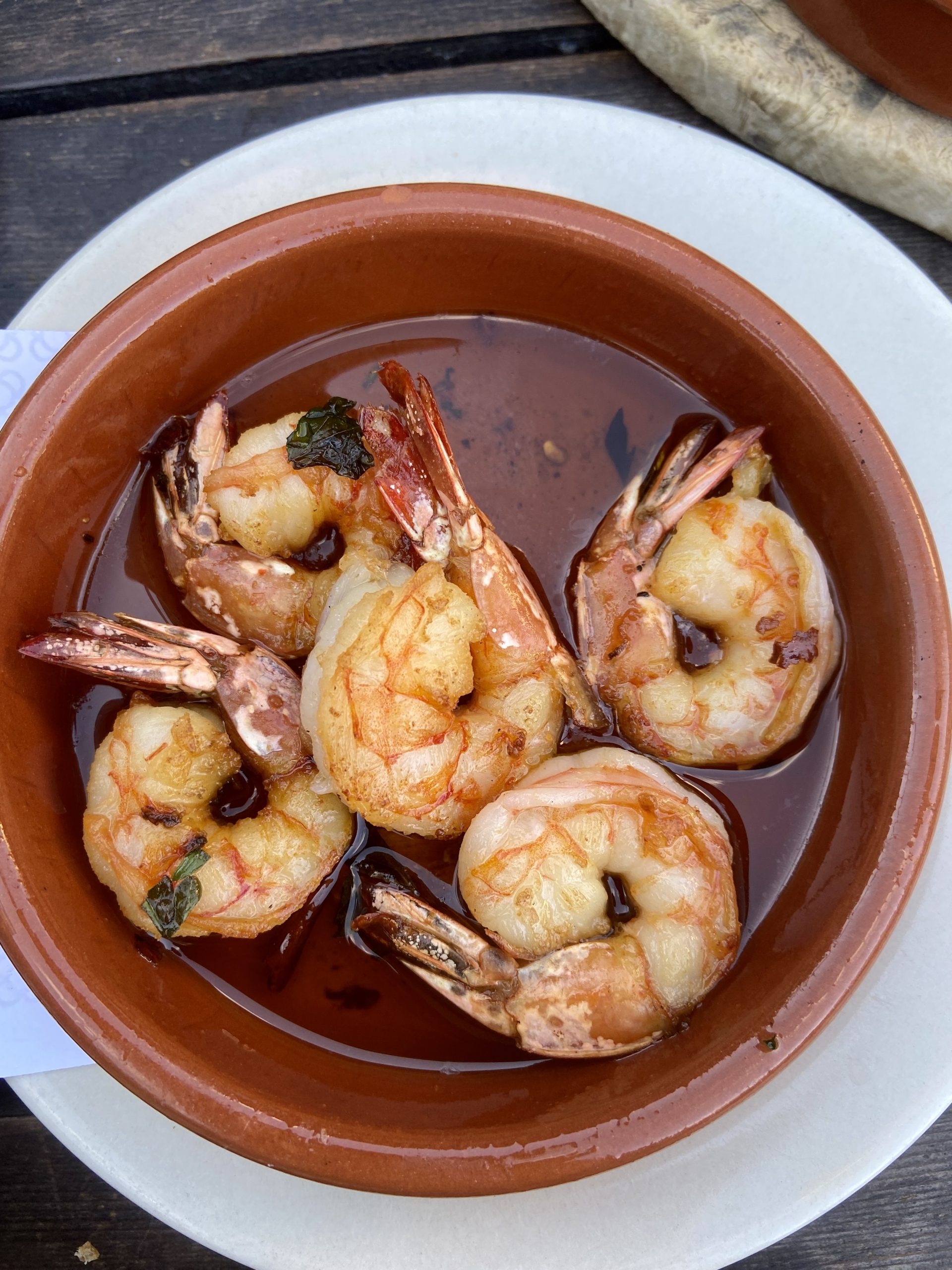
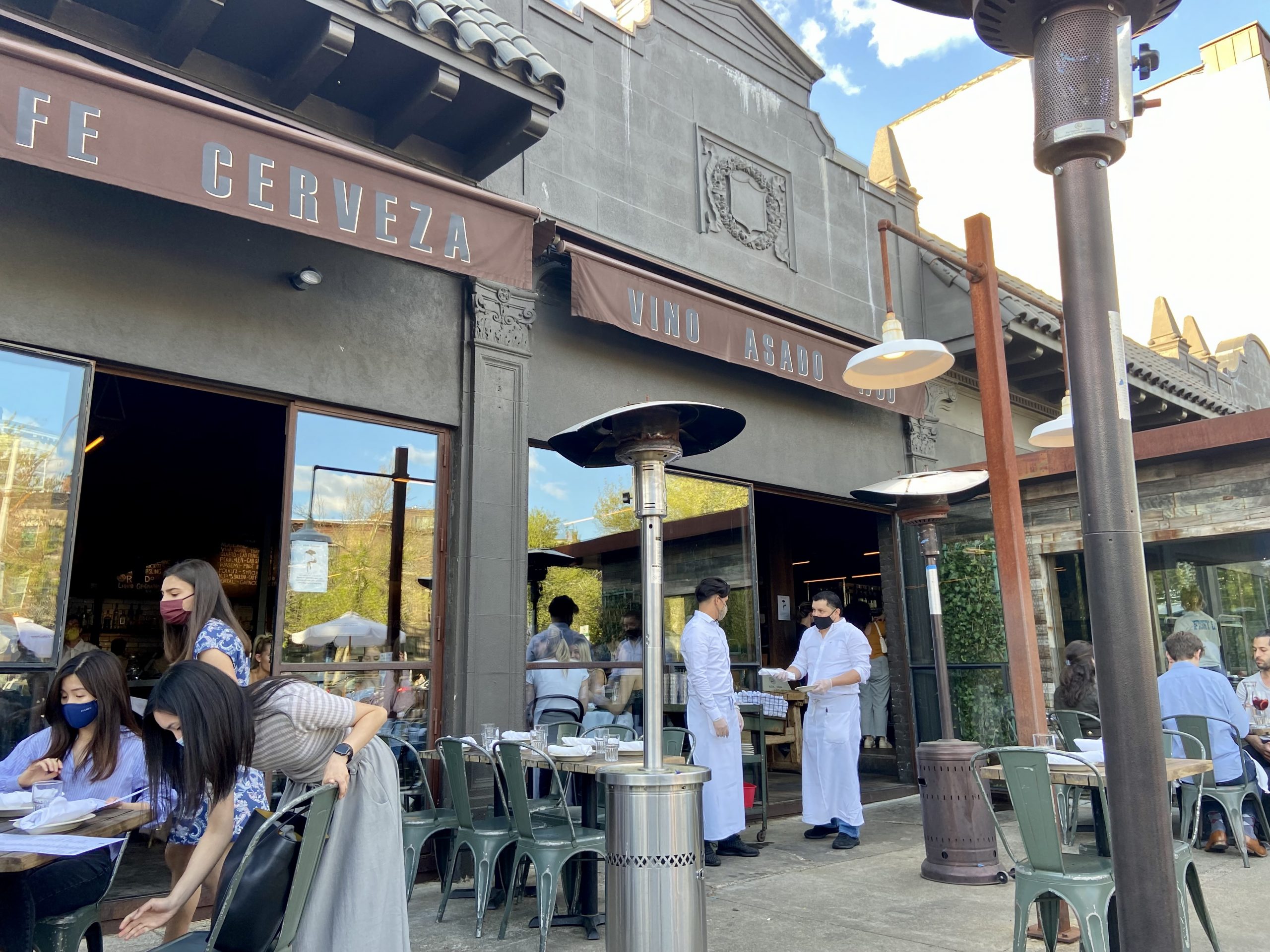
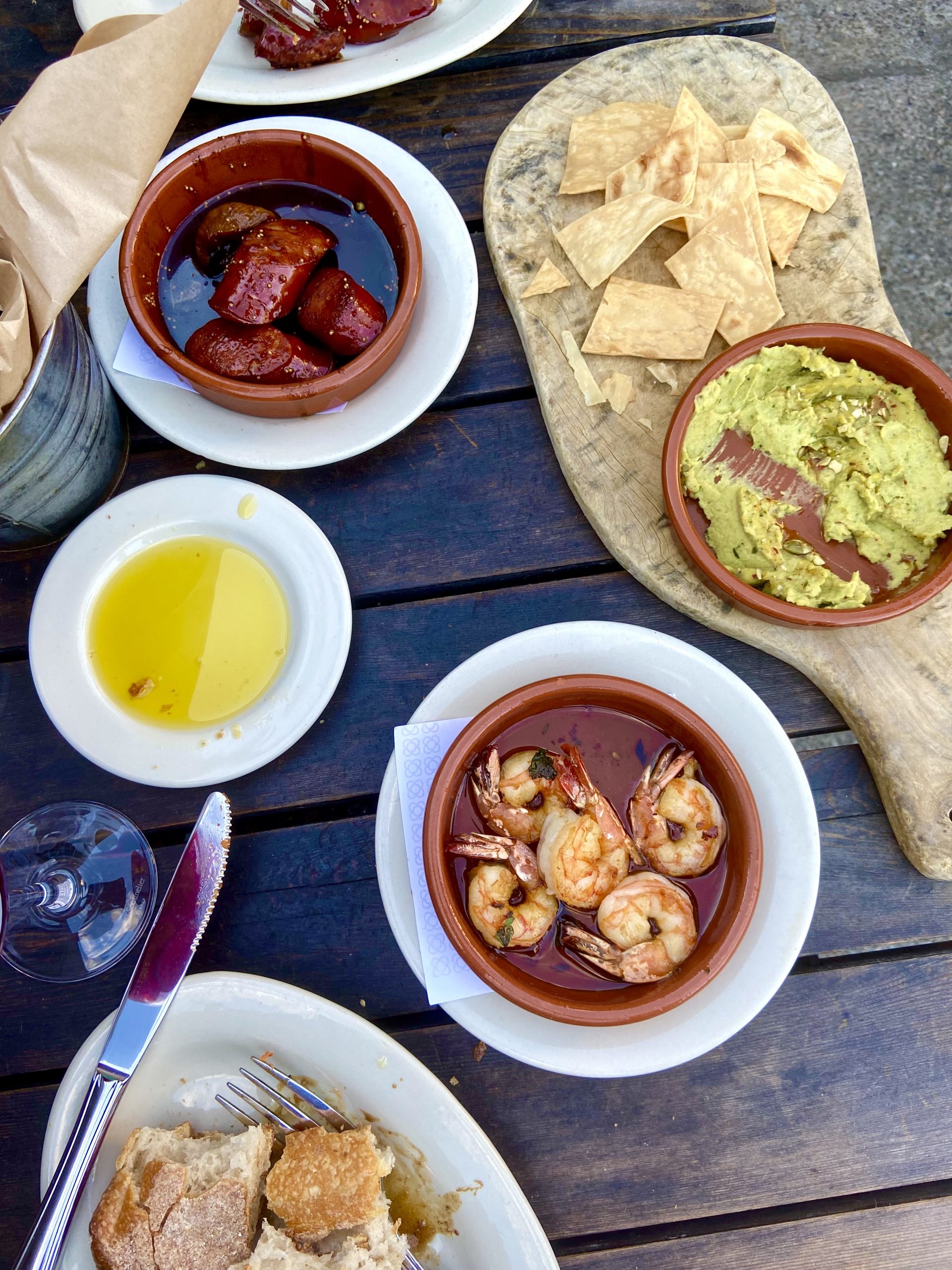
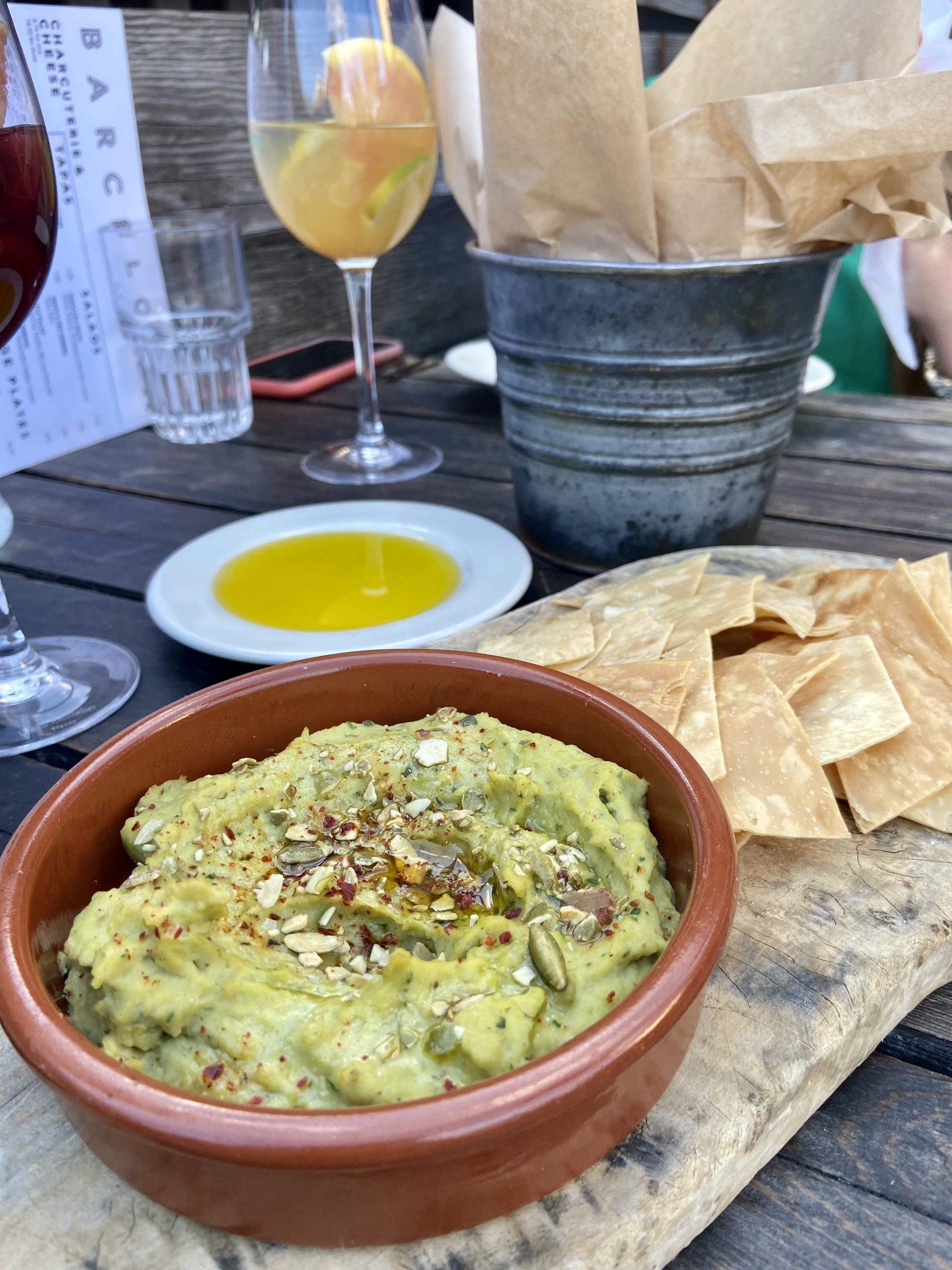
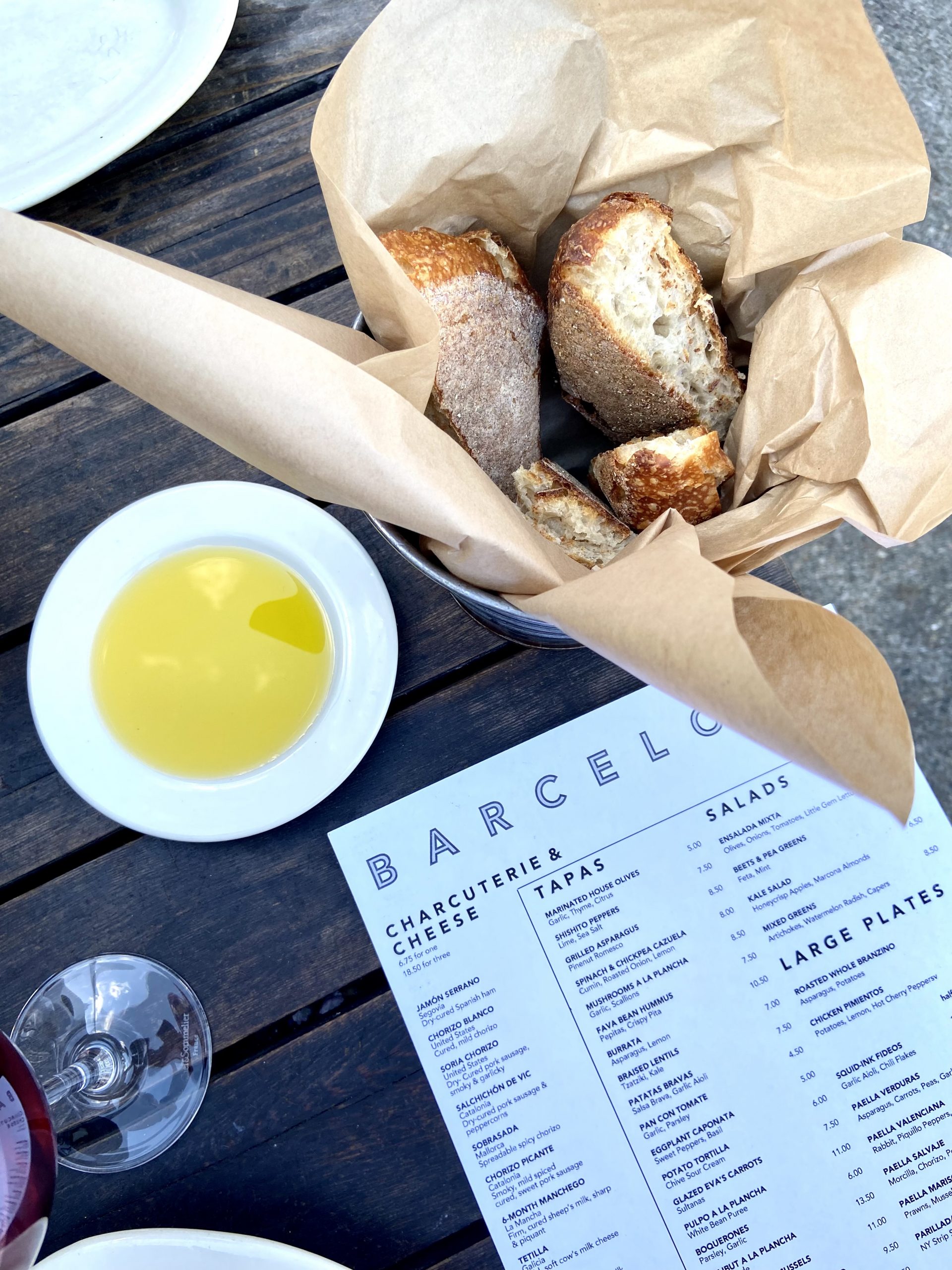
Come ready to be fully immersed in the experience of dining at Barcelona, on the patio or in the dimly lit restaurant interior.
Barcelona Wine Bar, Beacon Street, Brookline, MA, USA 6172648900 4:00–10:00PM Monday-Thursday, 4:00PM–11:00PM Friday, 2:00PM–11:00PM Saturday, 11:00AM–11:00PM Sunday 11AM–10PM Monday (Memorial Day) 4–10PMCommunity Experience
Alfredarota
UK project trials carbon capture at sea to help tackle climate change
[url=https://tripscan.biz]трипскан[/url]
The world is betting heavily on carbon capture — a term that refers to various techniques to stop carbon pollution from being released during industrial processes, or removing existing carbon from the atmosphere, to then lock it up permanently.
The practice is not free of controversy, with some arguing that carbon capture is expensive, unproven and can serve as a distraction from actually reducing carbon emissions. But it is a fast-growing reality: there are at least 628 carbon capture and storage projects in the pipeline around the world, with a 60% year-on-year increase, according to the latest report from the Global CCS (Carbon Capture and Storage) Institute. The market size was just over $3.5 billion in 2024, but is projected to grow to $14.5 billion by 2032, according to Fortune Business Insights.
https://tripscan.biz
трип скан
Perhaps the most ambitious — and the most expensive — type of carbon capture involves removing carbon dioxide (CO2) directly from the air, although there are just a few such facilities currently in operation worldwide. Some scientists believe that a better option would be to capture carbon from seawater rather than air, because the ocean is the planet’s largest carbon sink, absorbing 25% of all carbon dioxide emissions.
In the UK, where the government in 2023 announced up to ?20 billion ($26.7 billion) in funding to support carbon capture, one such project has taken shape near the English Channel. Called SeaCURE, it aims to find out if sea carbon capture actually works, and if it can be competitive with its air counterpart.
“The reason why sea water holds so much carbon is that when you put CO2 into the water, 99% of it becomes other forms of dissolved carbon that don’t exchange with the atmosphere,” says Paul Halloran, a professor of Ocean and Climate Science at the University of Exeter, who leads the SeaCURE team.
“But it also means it’s very straightforward to take that carbon out of the water.”
Pilot plant
SeaCURE started building a pilot plant about a year ago, at the Weymouth Sea Life Centre on the southern coast of England. Operational for the past few months, it is designed to process 3,000 liters of seawater per minute and remove an estimated 100 tons of CO2 per year.
“We wanted to test the technology in the real environment with real sea water, to identify what problems you hit,” says Halloran, adding that working at a large public aquarium helps because it already has infrastructure to extract seawater and then discharge it back into the ocean.
The carbon that is naturally dissolved in the seawater can be easily converted to CO2 by slightly increasing the acidity of the water. To make it come out, the water is trickled over a large surface area with air blowing over it. “In that process, we can constrict over 90% of the carbon out of that water,” Halloran says.
Williekah
Beirut, Lebanon
CNN
—
A deadly Israeli airstrike on Hezbollah’s stronghold in southern Beirut on Friday has left over a dozen people dead, including a high-ranking Hezbollah commander, sharply escalating the conflict between the two sides and raising fears of all-out war.
Senior Hezbollah commander Ibrahim Aqil, part of Hezbollah’s elite Radwan Force, was assassinated along with “about 10” other commanders, Israel Defense Forces (IDF) spokesperson Daniel Hagari said, accusing them of planning to raid and occupy communities in Galilee in northern Israel.
Hezbollah confirmed Aqil’s death on Friday, saying he was killed “following a treacherous Israeli assassination operation on 09/20/2024 in the southern suburbs of Beirut.”
According to Hagari, the targeted commanders were “underground underneath a residential building in the heart of the Dahiyeh neighborhood, using civilians as a human shield” at the time of the attack.
Lebanon’s health ministry said at least 14 people were killed and 66 others injured in the airstrike, which leveled a multistory building in a densely populated neighborhood.
Aqil had a $7 million bounty on his head from the United States for his suspected involvement in the 1983 strike on the US Embassy in Beirut, which killed 63 people, as well as the bombing of the Beirut Marine barracks, which killed 241 US personnel later that year.
A CNN team on the ground in Beirut saw a frantic effort to rescue people from underneath the rubble and rush the wounded to hospital. Witnesses said nearby buildings shook for nearly half an hour after the strike, which the IDF said it had carried out at around 4 p.m. local time.
A week of surprise attacks
Friday’s strike marked the fourth consecutive day of surprise attacks on Beirut and other sites across the country, even as Israeli forces continued deadly strikes and operations in Gaza and the occupied West Bank.
The first major attack against Hezbollah this week came Tuesday afternoon when pagers belonging to the militant groups’ members exploded near-simultaneously. The pagers had been used by Hezbollah to communicate after the group’s leader, Hassan Nasrallah, encouraged members to switch to low-tech devices to prevent more of them from being assassinated.
Almost exactly 24 hours later, Lebanon was rocked by a second wave of explosions, after Hezbollah walkie-talkies detonated in Beirut and the south of the country on Wednesday.
At least 37 people were killed, including some children, and more than 3,000 were injured in the twin attacks.
In a United Nations Security Council meeting on Friday, UN human rights chief Volker Turk on Friday warned that the detonation of communication devices could violate international human rights law.
Lebanese Foreign Minister Abdallah Bou Habib and Israeli Ambassador to the UN Danny Danon clashed at the heated meeting, with Bou Habib calling on the council to condemn Israel’s actions and Danon slamming the Lebanese envoy for not mentioning Hezbollah.
buy prescription drugs without doctor
online ed medication no prescription
https://canadianpharmacyserve.com/
legitimate online pharmacy