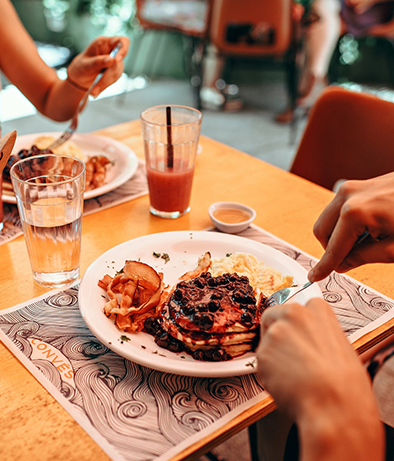
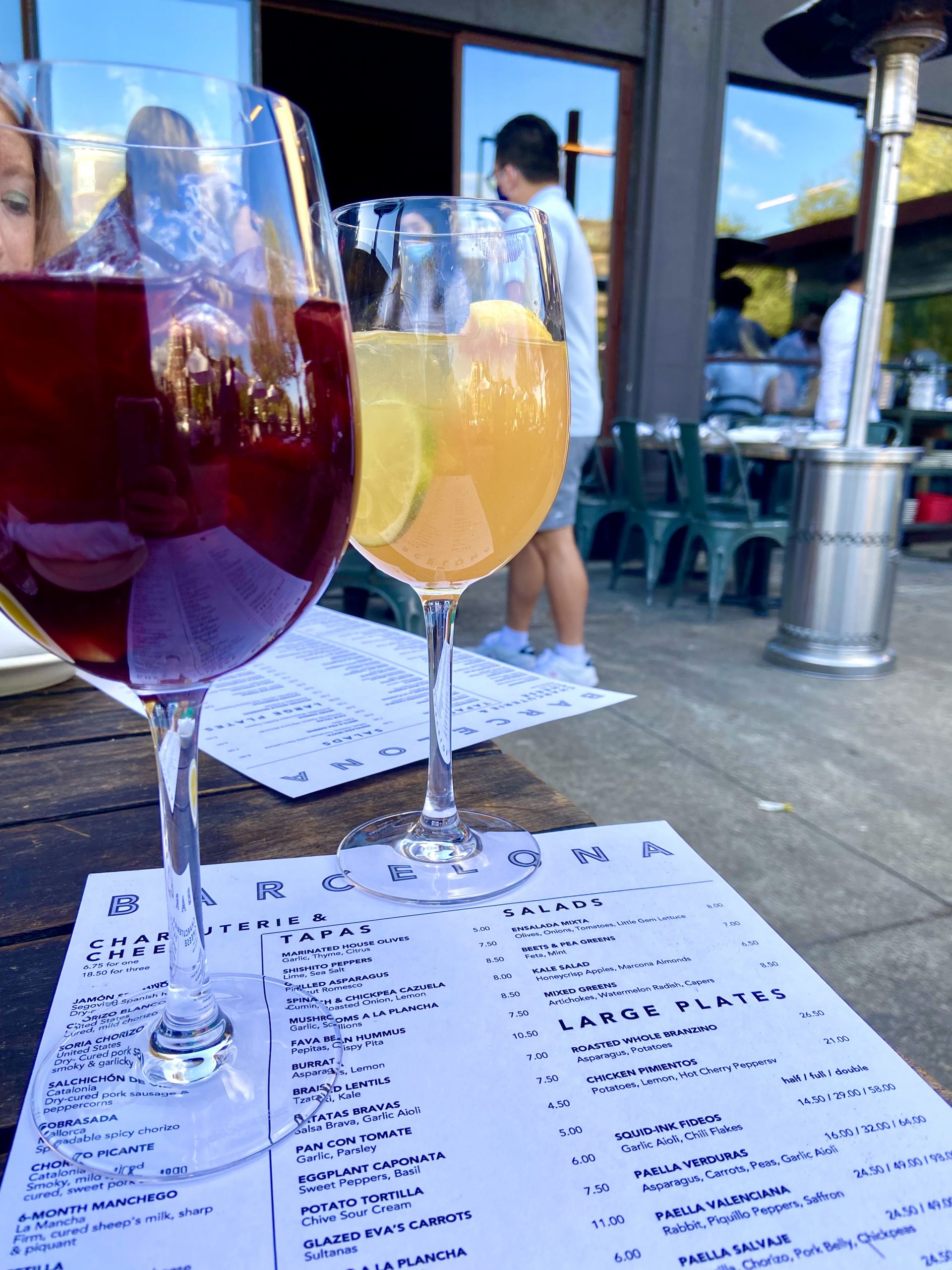
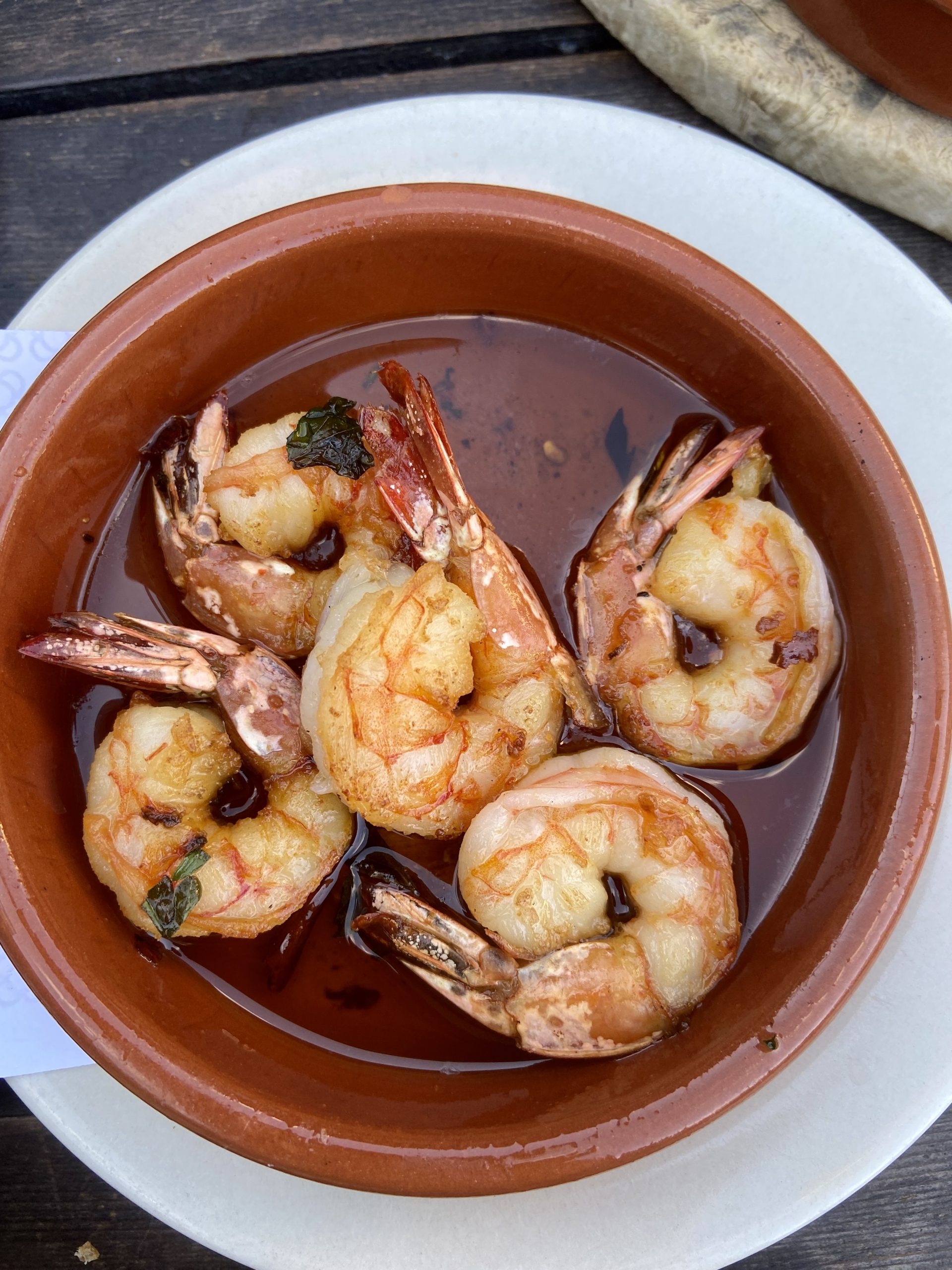
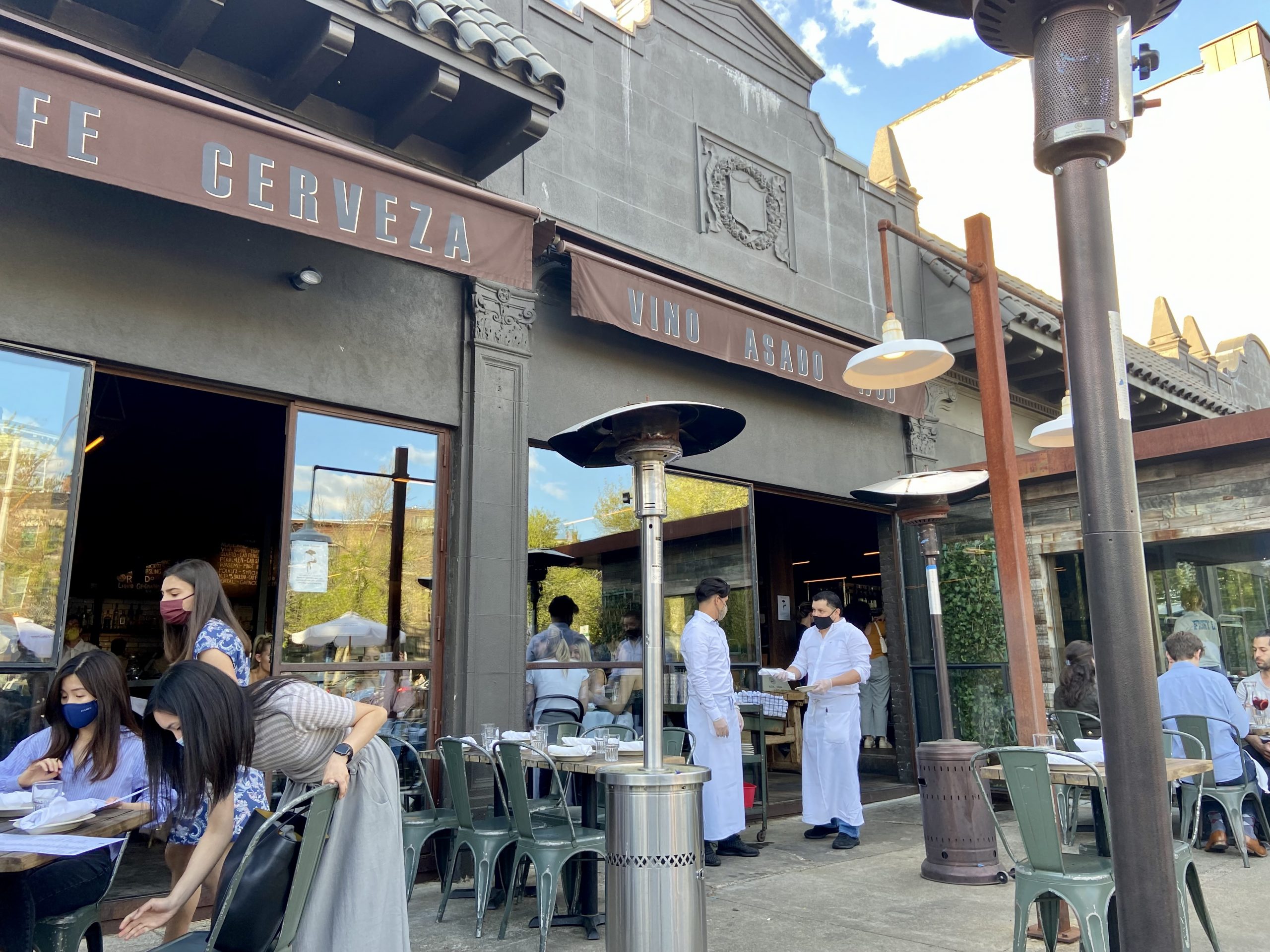
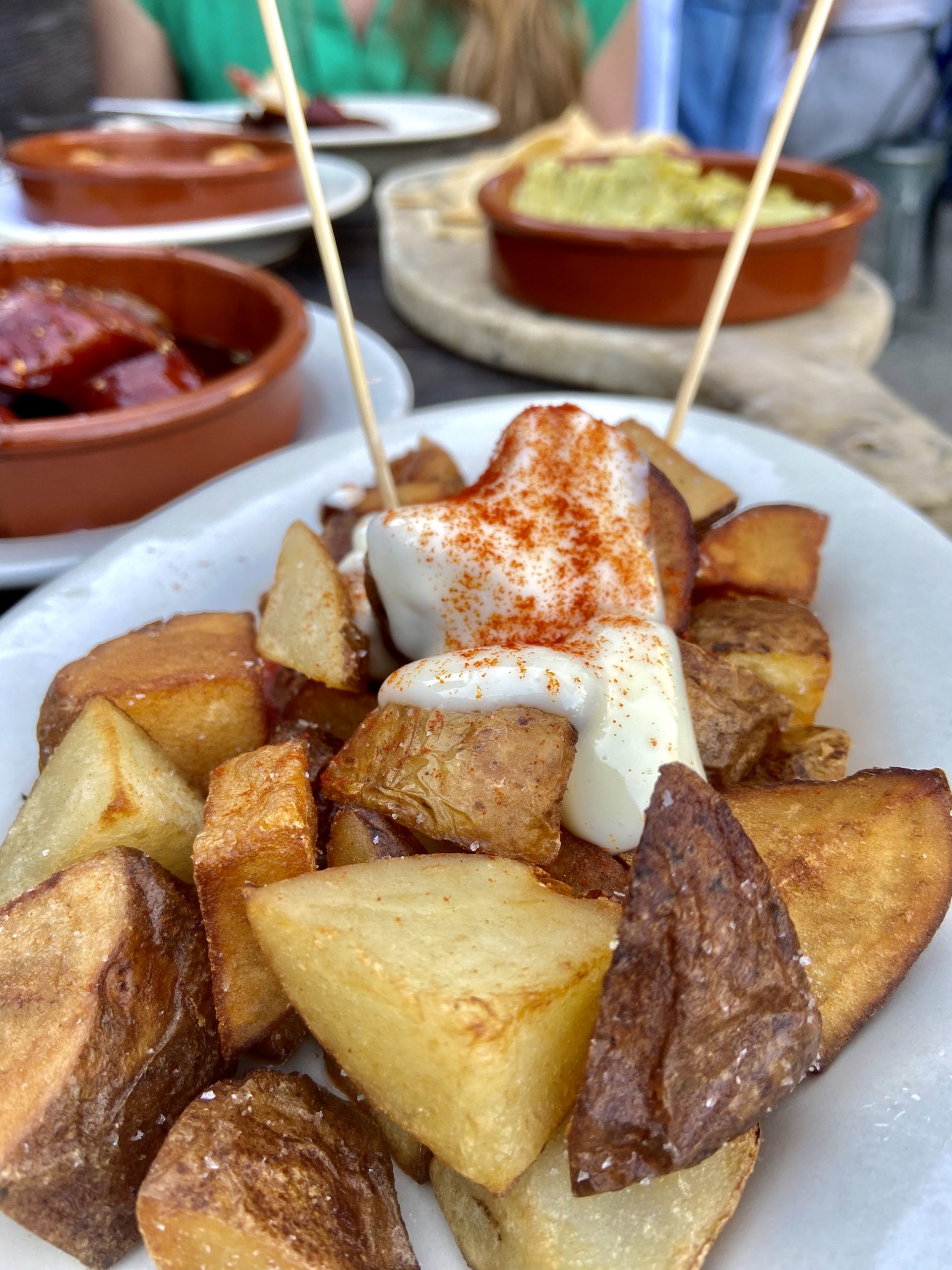
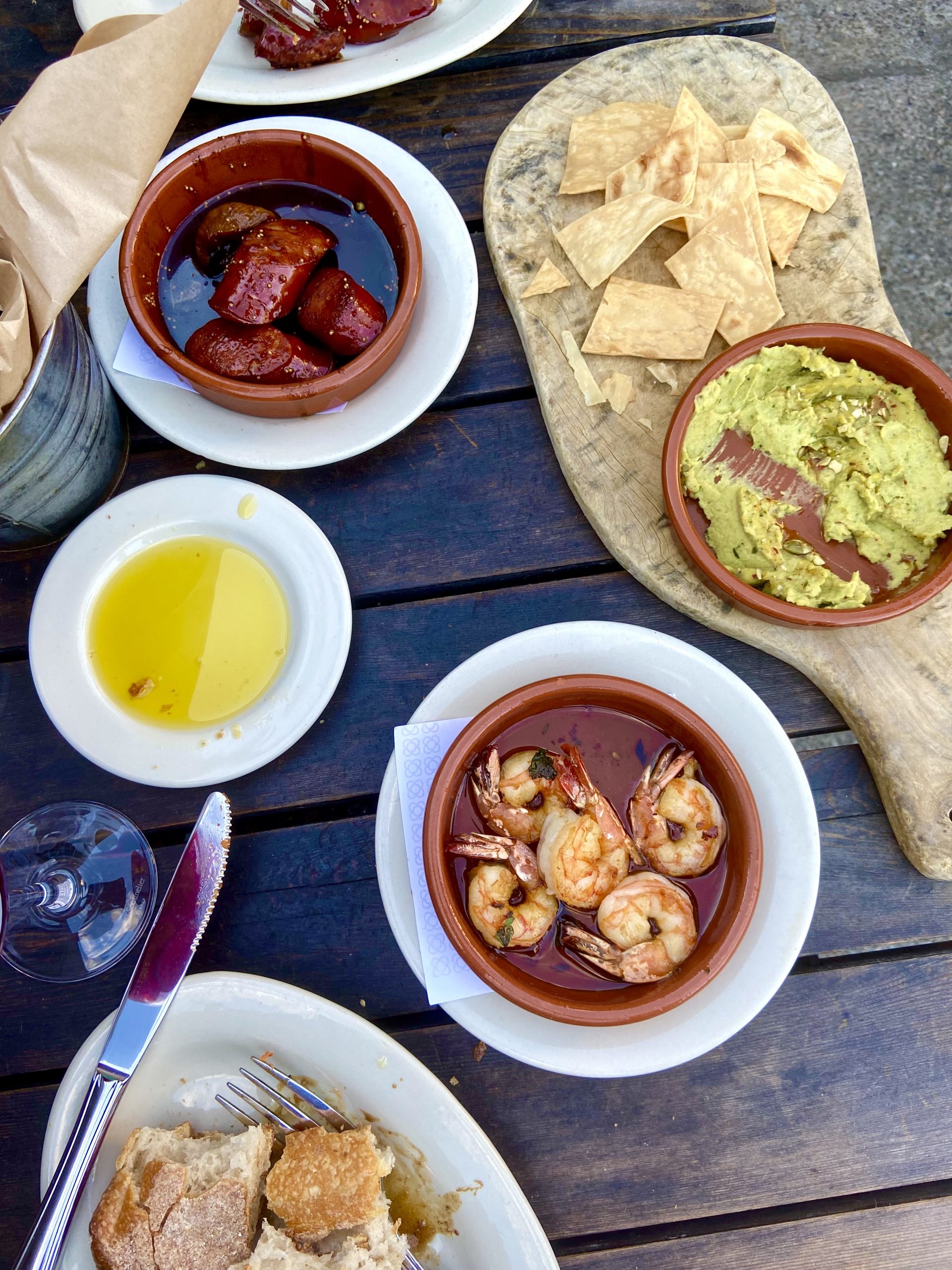
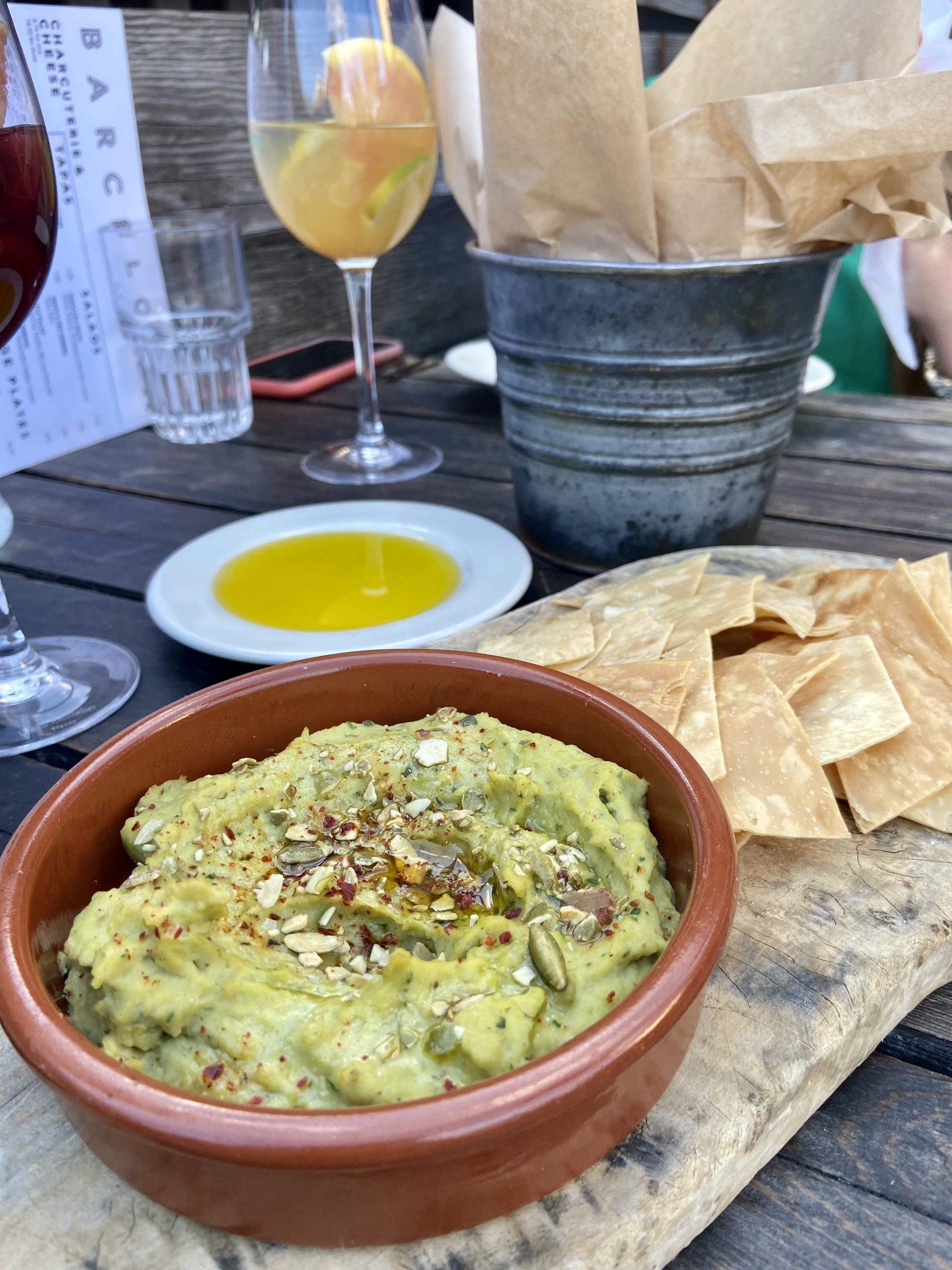
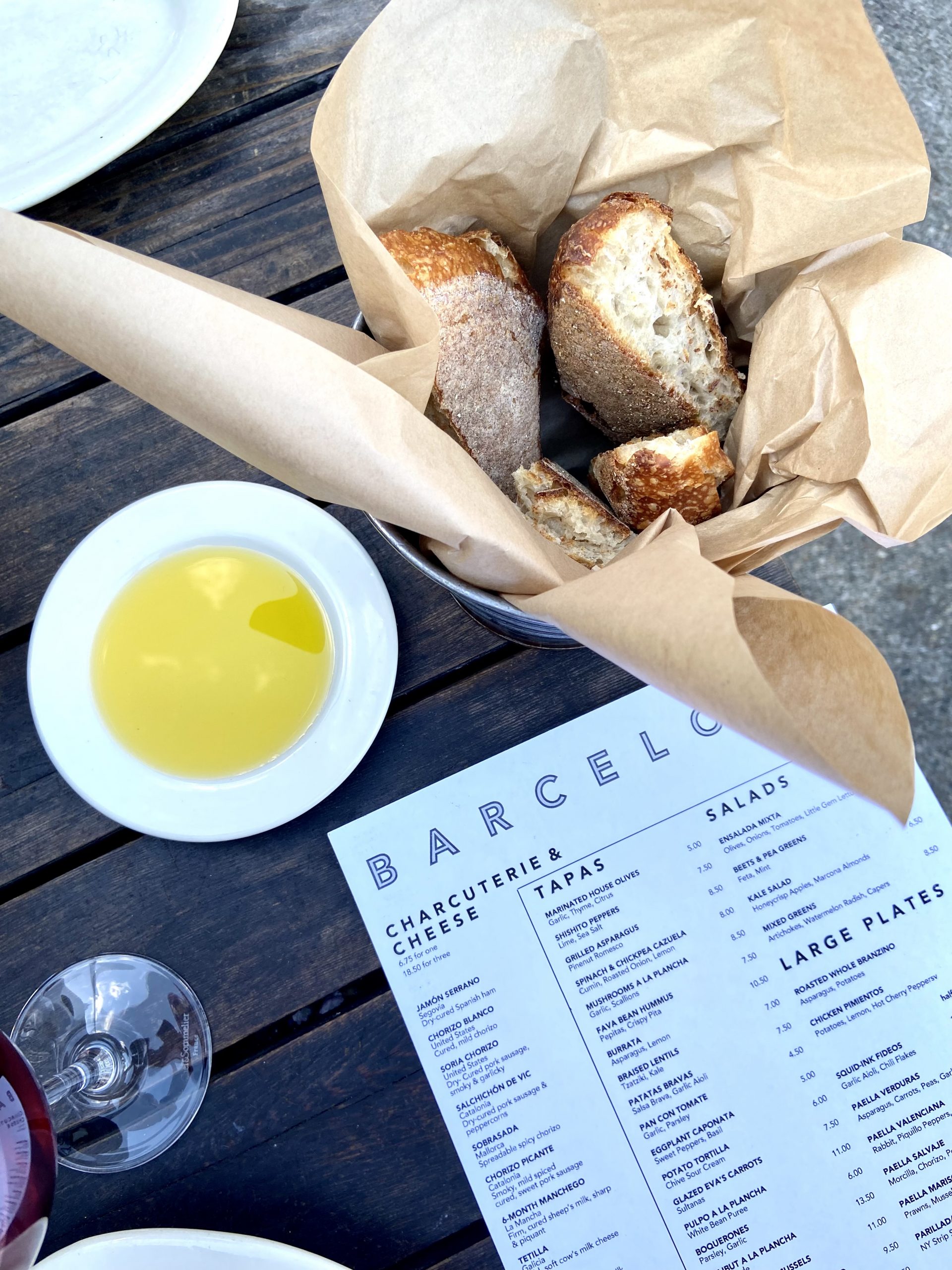
Come ready to be fully immersed in the experience of dining at Barcelona, on the patio or in the dimly lit restaurant interior.
Barcelona Wine Bar, Beacon Street, Brookline, MA, USA 6172648900 4:00–10:00PM Monday-Thursday, 4:00PM–11:00PM Friday, 2:00PM–11:00PM Saturday, 11:00AM–11:00PM Sunday 11AM–10PM Monday (Memorial Day) 4–10PMCommunity Experience
ShermanBom
Trump’s call for a protest crackdown has been a boon for Chinese propaganda
Analysis by CNN’s James Griffiths
Protesters running amok. Innocent citizens under siege. Outside actors engaging in terrorist acts. Police struggling to maintain control and in desperate need of reinforcements.
kraken17
That was how Chinese state media portrayed anti-government protests in Hong Kong last year, dismissing calls for greater democracy and an investigation into police brutality by focusing on individual acts of violence and property damage.
kraken2
Throughout the protests, the US was consistent in its support of people’s right to take to the streets and have their voice heard. Facing widespread unrest and public anger at home in the wake of the death of George Floyd, the reaction from US President Donald Trump appeared markedly different.
kraken13
On Monday, Trump called for the military to be deployed to “dominate” protesters, and demanded states do more to stem “acts of domestic terror.”
kra26.gl
The irony has not been lost on Beijing, which on Thursday marks (or rather doesn’t, the date is highly censored) its own military crackdown on anti-government protesters on June 4, 1989.
kra1
“Washington’s promise of equality and justice for all in the country has remained hollow at best,” state news agency Xinhua said in a commentary titled “The coming suffocation of the American dream.”
“Amid the ongoing anti-racism protests in the country, decision-makers in Washington, instead of trying to sooth the pain and anger of the public, have been fanning the flames, calling protesters ‘THUGS,’ and threatening them with ‘the most vicious dogs, and most ominous weapons,” the commentary said.
kra15 cc
https://kra18-at.cc
China Daily, a state-backed newspaper, noted that “The US, after the killing of Floyd, seems to be on fire, and troops have been mobilized to subdue angry demonstrators.”
“This is certainly not what the world expects to see in a country that is the world’s sole superpower,” it added. “But that sadly is the reality of the US.”
This rhetoric isn’t just embarrassing for Washington, it’s also a sign of how the US may find its influence damaged by a perceived hypocrisy over human rights at home and abroad.
Earlier today, Hong Kong’s leader Carrie Lam pointed to the unrest in the US as evidence of Washington’s “double standards.”
“They attach great importance to the national security of their country, but look at our national security through tinted spectacles, especially the current situation in Hong Kong,” she added.
The ability of Washington to influence Beijing’s position on Hong Kong – which is in part founded on fear of outside influence in the city – was already severely limited. The Trump administration’s reaction to protests at home may have hurt its position even further.
Curtisbuh
When British traders landed on India’s shores in the 1600s, they arrived in search of spices and silk but stayed for centuries – leaving behind a legacy that would shape the nation long after their colonial exploitation ended: the English language.
Over the centuries, English seeped into the very fabric of Indian life – first as a tool of commerce, then as the language of law and, eventually, a marker of privilege.
tripscan win
Now, after more than a decade of Hindu-nationalist rule, Prime Minister Narendra Modi’s Bharatiya Janata Party (BJP) is mounting perhaps the most significant challenge yet to the language’s place in India.
“Those who speak English will soon feel ashamed,” Home Minister Amit Shah said last month, igniting a heated debate about national identity and social mobility in the polyglot nation of 1.4 billion.
While Shah did not mention India’s former colonial masters, he declared that “the languages of our country are the jewels of our culture” – and that without them, “we cease to be truly Indian.”
https://trip36.win
трип скан
Spoken behind the walls of colonial forts and offices, English in India was at first the language of ledgers and treaties.
But as British rule expanded from the ports of Gujarat to the palaces of Delhi, it became the lingua franca of the colonial elite.
At independence, India faced a dilemma. With hundreds of languages and dialects spoken across its vast landscape, its newly appointed leaders grappled with the question of which one should represent the new nation.
Hindi, the predominant language in the north, was put forward as a candidate for official language.
But strong resistance from non-Hindi-speaking regions – especially in the south – meant English would remain only as a temporary link to unite the country. It’s a legacy that endures to this day – and still rankles some.
“I subscribe to the view that English is the language of the colonial masters,” Pradeep Bahirwani, a retired corporate executive from the southern city of Bengaluru, said, adding: “Our national language should be a language which… has got roots in India.”
AlbertCarty
Ruby Williams’ birthday was not your average 18th. She celebrated it on the Klamath River, with a group of young people making a historic journey paddling from the river’s headwaters in southern Oregon to its mouth in the Pacific Ocean, just south of Crescent City, California. It marked the first time in a century that the descent has been possible, after the recent removal of four dams allowed the river to flow freely.
kraken36
Williams, together with fellow paddler Keeya Wiki, 17, spoke to CNN on day 15 of their month-long journey, which they are due to complete on Friday. At this point, they had just 141 miles (227 kilometers) of the 310-mile (499 kilometer) journey left to go and had already passed through some of the most challenging rapids, such as those at the “Big Bend” and “Hell’s Corner” sections of the river.
kra36 сс
https://kra—36cc.ru
Both were exhausted and hadn’t showered in days — although they promised they “aren’t completely feral.” However, despite tired minds, they were steadfast in their commitment.
“We are reclaiming our river, reclaiming our sport,” said Williams.
“We are getting justice,” Wiki, who is from the Yurok Tribe, added. “And making sure that my people and all the people on the Klamath River can live how we’re supposed to.”
The Klamath River runs deep in the cultures of the native peoples living in its basin, who historically used dugout canoes to travel along it. They view it as a living person, a relative, who they can depend on — and in turn protect.
“It’s our greatest teacher, our family member,” said Williams, who is from the Karuk Tribe, which occupies lands along the middle course of the Klamath. “We revolve ceremonies around it, like when the salmon start running (the annual migration from the sea back to freshwater rivers to spawn), we know it’s time to start a family.”
Historically, it was also a lifeline, providing them with an abundance of fish. The Klamath was once the third-largest salmon-producing river on the West Coast of the US. But between 1918 and 1966, electric utility company California Oregon Power Company (which later became PacifiCorp), built a series of hydroelectric dams along the river’s course, which cut off the upstream pathway for migrating salmon, and the tribes lost this cultural and commercial resource.
For decades, native people — such as the Karuk and Yurok tribes — demanded the removal of the dams and restoration of the river. But it was only in 2002, after low water levels caused a disease outbreak that killed more than 30,000 fish, that momentum really started to build for their cause.
Twenty years later, the Federal Energy Regulatory Commission finally approved a plan to remove four dams on the lower Klamath River. This was when Paddle Tribal Waters was set up by the global organization Rios to Rivers to reconnect native children to the ancient river. Believing that native peoples ought to be the first to descend the newly restored river, the program started by teaching local kids from the basin how to paddle in whitewater. Wiki and Williams were among them — neither had kayaked before then.